
Goshuin image research
AI Image Analysis of Goshuin: Visual Elements Compared
1 reviewed public goshuin currently has 8 documented visual elements. The comparison begins with the next reviewed record.
Executive summary
- The report includes only AI-proposed elements that were reviewed and published.
- It currently covers 1 public record, 8 distinct elements, and 8 marked image regions.
- Counts describe this reviewed sample. They do not measure how common an element is across goshuin in Japan.
By
Goshuin Database Research
Snapshot
26 de julho de 2026 às 12:23
Use
Start with the marked records
Each outline comes from a reviewed public annotation. Select an element name to find its documented location on the image.
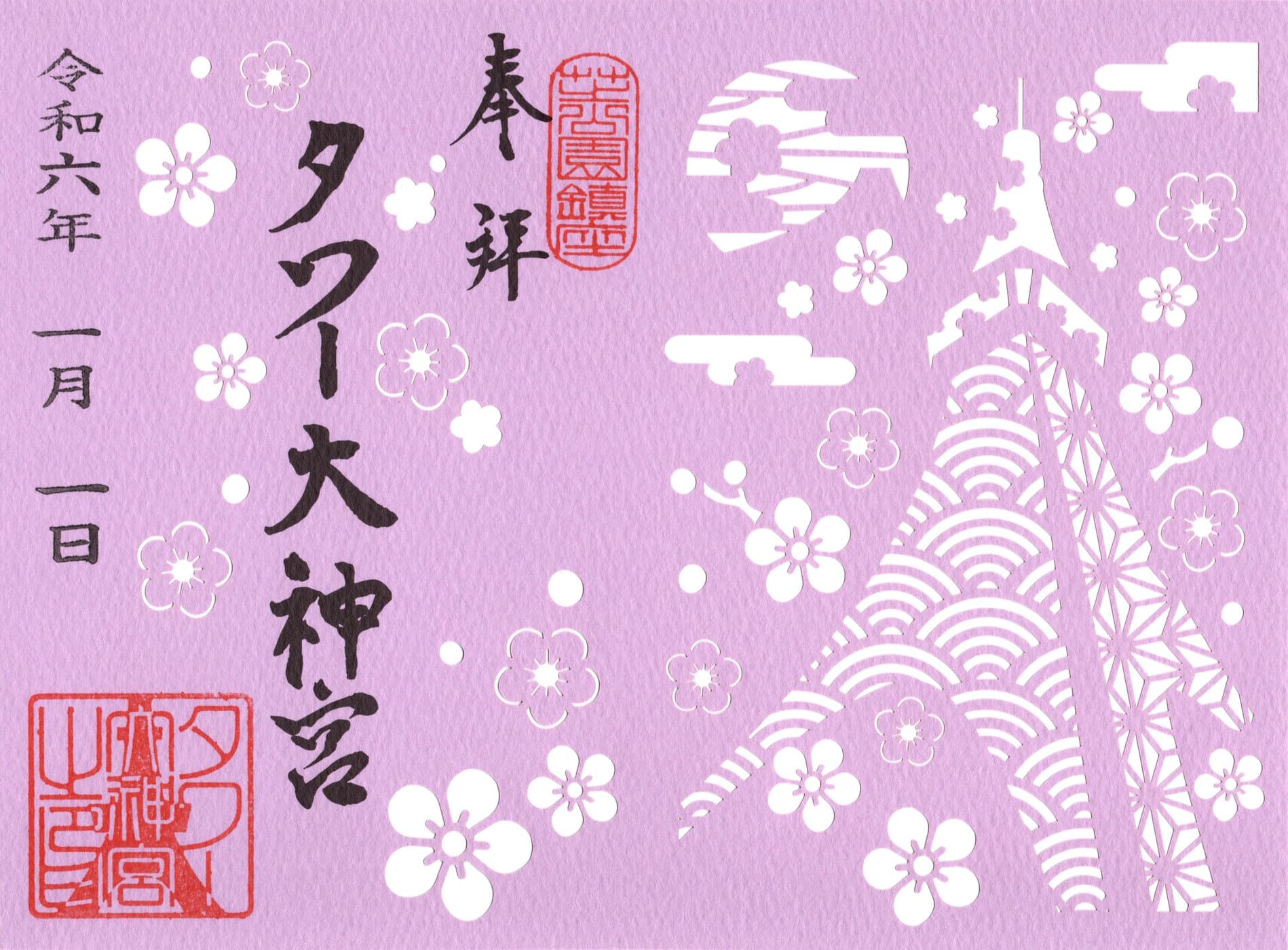
What has been documented in each image
The bars compare exact counts by element type. Focus or select a record to read its values without relying on color.
Tower Daijingu
- Characteristic
- 5
- Inscription
- 3
The comparison is ready for the next record
The matrix already uses a record-per-column structure. It will add a new column as soon as another reviewed public analysis enters the weekly snapshot.
| Reviewed element | Tower Daijingugsn-q8bszkt |
|---|---|
| Linked to this record | |
| Linked to this record | |
| Linked to this record | |
| Linked to this record | |
| Linked to this record | |
| Linked to this record | |
| Linked to this record | |
| Linked to this record |
One record can show how the method works, but it cannot establish overlap, difference, or frequency. Those findings remain unpublished for now.
Most repeated reviewed elements
This ranking counts how many reviewed records link to each element. It becomes more informative as the sample grows.
How this report grows
The page is built for a small beginning and a much larger reviewed sample. The URL and citation format stay the same.
New records become columns
Every newly published analysis joins the matrix and the type comparison. No fixed two-record assumption is built into the report.
Shared elements emerge carefully
Taxonomy terms and deity references match by canonical identity. Inscriptions and seals match only when their reviewed public text is the same.
A weekly snapshot keeps citations stable
The scheduled Monday refresh reads the latest reviewed public annotations. A failed refresh leaves the last successful snapshot online.
Method and limits
AI proposes. Review decides what is public.
Included
Current-image regions linked to reviewed public characteristics, inscriptions, seals, deity references, or primary subjects on approved public goshuin records.
Excluded
Pending suggestions, model confidence, provider details, review notes, replaced images, deleted records, and records that are not approved for public use.
Absence is not proof
An empty matrix cell means no reviewed public link exists in this snapshot. The element may still be visible in the image or awaiting review.
Questions this cannot answer
This sample cannot measure cultural importance, regional prevalence, historical change, or the frequency of visual elements across goshuin in Japan.